

Heat Pump Maintenance: A Seasonal Checklist for Ontario Homes
Summarize or Share at:
A heat pump works harder than most home comfort systems. It heats your home in the winter, cools it in the summer, and runs through most of the year. That means it needs a little more attention than a furnace or an air conditioner on its own.
The good news is that most of the upkeep is simple. A few quick checks each season, plus a professional tune-up, will help your heat pump run efficiently through an Ontario winter and a humid summer. Here’s what to do and when.
Why Heat Pump Maintenance Matters
Regular maintenance helps your heat pump:
- Run efficiently. Dirty filters, dirty coils, and blocked airflow make the system work harder and use more electricity.
- Keep heating in the cold. In winter, your heat pump relies on its defrost cycle and clear airflow around the outdoor unit. Small problems here show up fast when temperatures drop.
- Avoid breakdowns. Worn capacitors, loose electrical connections, and slow refrigerant leaks can often be caught during a tune-up, before they leave you without heat or cooling.
- Last longer. A clean, well-adjusted system puts less wear on the compressor and fan motors.
Some manufacturer warranties also ask for proof of regular professional maintenance, so it’s a good idea to keep your service records.
Seasonal Checklist at a Glance
| Season | What you can do | What a technician does |
|---|---|---|
| Spring | Change the filter, clear debris around the outdoor unit, test cooling | Spring tune-up before cooling season |
| Summer | Check the filter monthly, keep the outdoor coil clear of grass and cottonwood fluff | Call if you notice ice on the lines or weak cooling |
| Fall | Change the filter, clear leaves, test heating on a cool day | Fall tune-up and defrost check before winter |
| Winter | Brush snow off the unit, keep it clear of drifts and roof runoff | Call if ice stays on after a defrost cycle |
Spring: Get Ready for Cooling
Spring is the time to wake your heat pump up for cooling season.
- Change or clean the air filter. Check it monthly and replace it every one to three months, or sooner if you have pets.
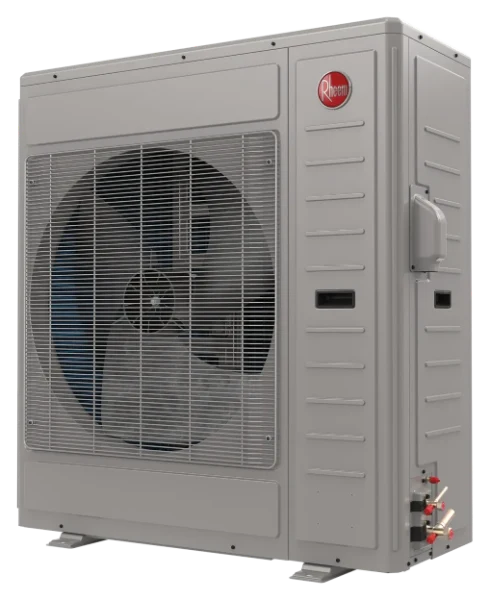
- Clear the outdoor unit. Remove leaves, twigs, and anything that blew in over the winter. Keep about 60 cm (2 feet) of clear space around the unit.
- Check the condensate drain. Make sure water can drain freely from the indoor unit so it doesn’t back up or cause water damage.
- Test cooling. On a warm day, switch to cooling and let it run for 10 to 15 minutes to make sure cool air is coming out.
Book a spring tune-up so your system is cleaned and checked before the first hot week.
Summer: Keep Air Moving
Your heat pump moves a lot of air in the summer, and filters clog faster.
- Check the filter monthly. Pets, open windows, and pollen all add up in peak cooling season.
- Keep the outdoor coil clean. Grass clippings and cottonwood fluff in June can cover the coil quickly. With the power off, rinse it gently with a garden hose from the inside out if you can. Never use a pressure washer, which can bend the fins.
- Keep vents open. Make sure supply vents and return grilles aren’t blocked by furniture, rugs, or curtains.
Call a technician if you see ice on the refrigerant lines or indoor coil, the system runs constantly without keeping up, or you hear grinding, hissing, or rattling.
Fall: Get Ready for Heating
Fall is the most important season for heat pump care in Ontario, because winter is when your system works hardest.
- Replace the filter before heating season starts.
- Clear fallen leaves from around and on top of the outdoor unit.
- Test heating on a cool fall day to make sure warm air is coming out.
- Check the line insulation. The foam insulation on the refrigerant lines outside should be intact, not cracked or missing.
- Test your backup heat. If you have a furnace or electric backup, make sure it comes on when it should.
Book a fall tune-up if you didn’t have one in the spring. Your technician will check the defrost controls, which matter most in an Ontario winter.
Winter: Snow, Ice, and Clearance
- Brush off snow after a storm. Use a soft brush or broom to clear the top and sides of the outdoor unit. Avoid shovels and ice scrapers, which can damage the fins.
- Keep it above the snow. Your outdoor unit should sit on a raised stand or wall brackets so it stays clear of drifts. Keep the area around it shovelled.
- Watch for roof runoff. Water dripping from the roof can freeze into a block of ice on top of the unit. A small cover designed for the top of the unit can help, but never wrap the whole unit.
- Keep the drain area clear. Water from defrost cycles needs somewhere to go. If it builds up as ice under the unit, it can block airflow.
If your heat pump is the main heat source for your home, keep the outdoor unit clear all winter. Blocked airflow is one of the most common reasons for poor heating on cold days.
Is It Normal? Steam, Ice, and Defrost
A few things look alarming in winter but are completely normal:
- Steam from the outdoor unit. During a defrost cycle, the heat pump briefly warms the outdoor coil to melt frost. You may see a cloud of steam and hear a whoosh when it switches over.
- A light layer of frost. Some frost on the coil in cold, damp weather is expected. The defrost cycle should clear it.
- The fan stopping briefly. The outdoor fan usually stops during defrost, then starts again.
What’s not normal is thick ice that covers the coil and doesn’t clear after a defrost cycle, ice on the top of the fan, or a unit that’s encased in ice. If you see this, turn the heat pump off at the thermostat, switch to backup heat if you have it, and call for service. Don’t chip away at the ice yourself.
What a Professional Tune-Up Includes
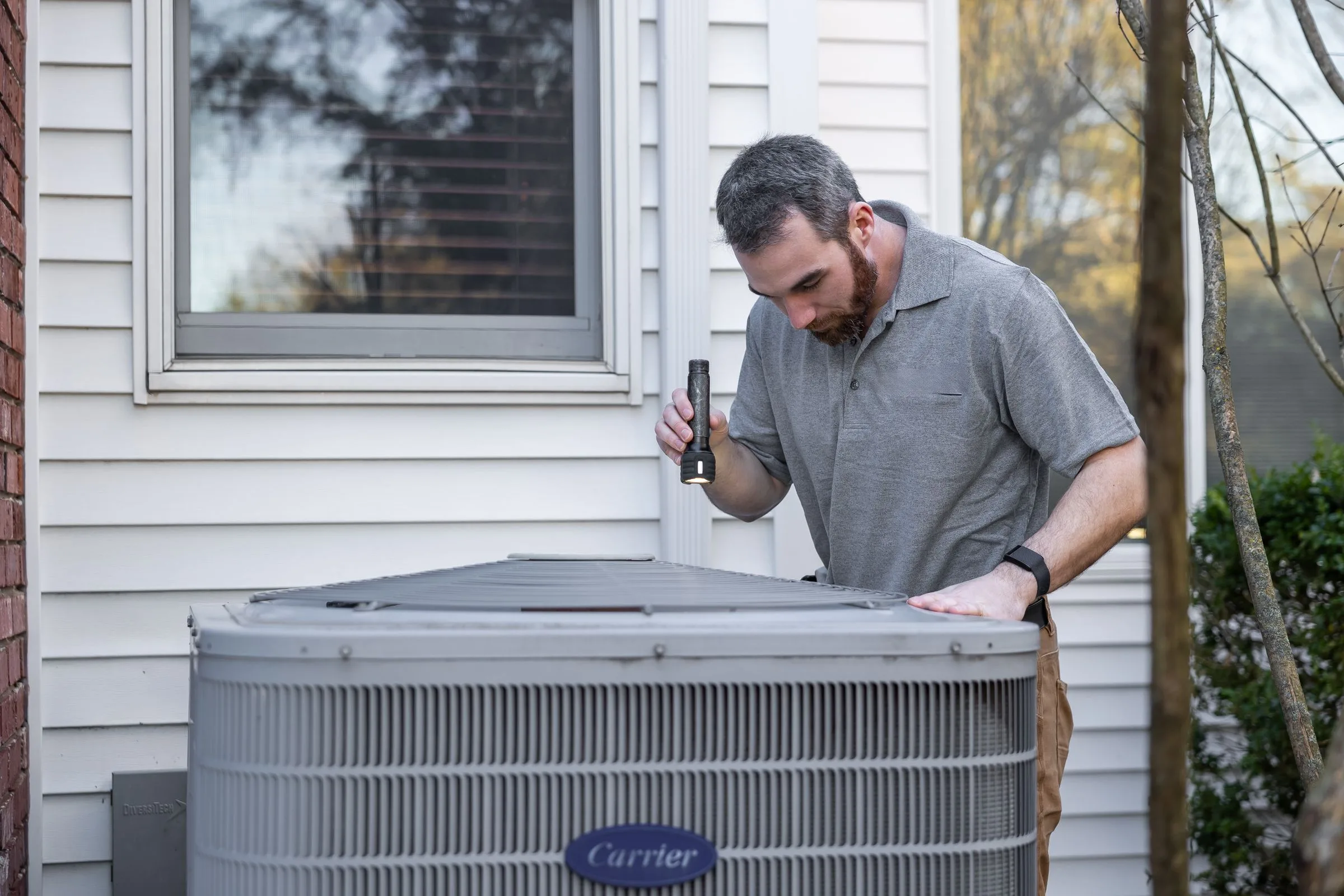
A professional tune-up covers the parts you can’t safely check yourself. During a heat pump maintenance visit, our technicians:
- Check refrigerant pressures and look for signs of leaks
- Clean and inspect the outdoor coil and the indoor coil
- Inspect electrical connections, the capacitor, and the contactor
- Check the outdoor fan motor and blades, and the indoor blower
- Test the reversing valve so the system switches properly between heating and cooling
- Check the defrost controls and sensors
- Test backup heat, whether it’s a furnace or electric heat strips
- Clear the condensate drain and check the drain pan
- Check thermostat settings and system operation in both modes
Afterward, we’ll walk you through what we found and give you a clear, honest recommendation on anything that needs attention.
How Often Should a Heat Pump Be Serviced?
A heat pump should be professionally serviced at least once a year. Because it runs in both heating and cooling seasons, many homeowners choose two visits: one in the spring before cooling season and one in the fall before winter.
If you have a dual-fuel system, with a heat pump paired with a gas furnace, the furnace needs its own annual check too. See what that includes in our furnace maintenance checklist.
Signs Your Heat Pump Needs Attention
Book a service visit if you notice:
- Cool air coming from the vents in heating mode
- Ice that stays on the outdoor unit after a defrost cycle
- The system running nonstop without reaching the set temperature
- Grinding, rattling, hissing, or loud buzzing from the indoor or outdoor unit
- Water leaking around the indoor unit
- A sudden jump in your electricity bill without a change in how you use the system
Catching these early often means a smaller repair. Learn more about our heat pump repair services.
Book Heat Pump Maintenance
Our licensed technicians maintain and repair heat pumps for homes across York Region, including Markham, Richmond Hill, Stouffville, Unionville, and Thornhill. We service Rheem, SureComfort, Mitsubishi, Panasonic, and Fujitsu heat pumps, along with most other major brands.
Markham Heating Protection Plan members receive annual maintenance as part of their membership, and our Core Comfort plan covers heat pumps.