


Tank vs Tankless Water Heaters: What’s Best for Your Home?
Summarize or Share at:
What’s the basic difference?
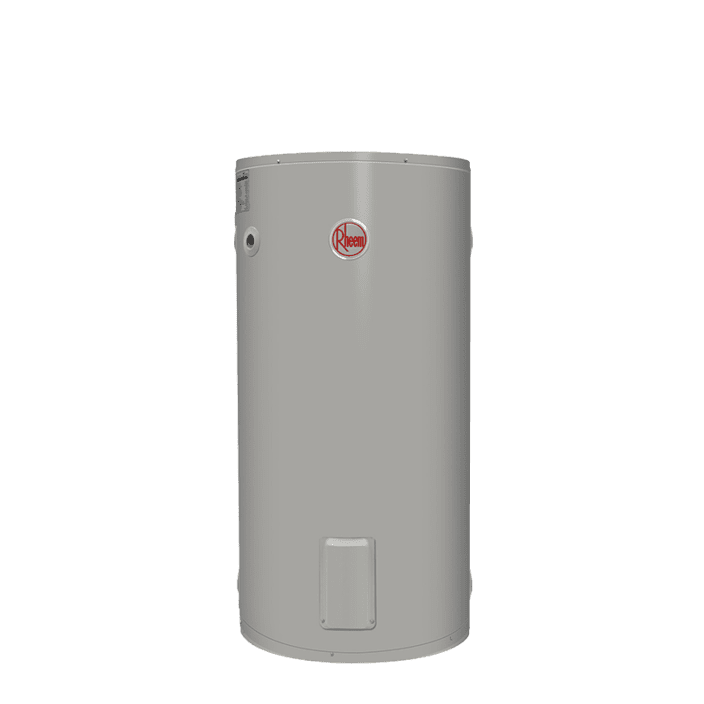
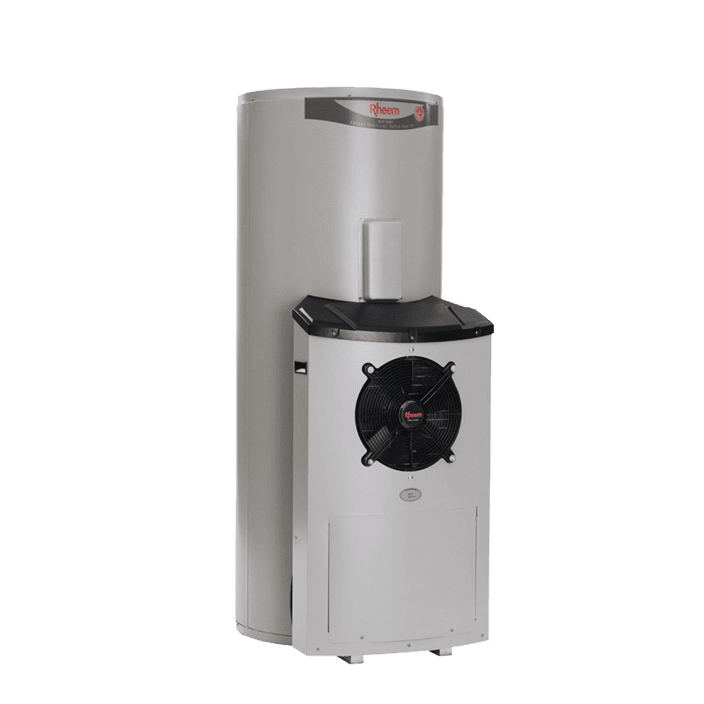
A tank water heater stores hot water, usually 40 to 50 gallons, and keeps it hot around the clock. As you use it, cold water refills the tank and the burner heats it back up.
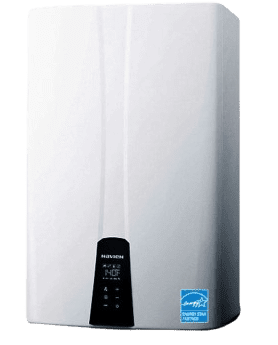
A tankless water heater heats water only when you open a tap. Water flows through a heat exchanger, a powerful gas burner fires, and hot water comes out the other side. When the tap closes, the burner shuts off.
The trade-off: a tank holds a fixed amount of hot water, and once it’s used up you wait for it to recover. A tankless unit won’t run out, but it can only heat so many gallons per minute at once.
Tank vs tankless at a glance
| Tank | Tankless | |
|---|---|---|
| How it heats | Stores and keeps water hot | Heats water on demand |
| Sized by | Tank volume (gallons) | Flow rate (gallons per minute) |
| Hot water supply | Limited to what’s in the tank | Continuous, up to its flow limit |
| Standby heat loss | Yes | No |
| Space needed | Large floor footprint | Wall mounted, compact |
| Up-front cost | Lower | Higher |
| Maintenance | Light: visual checks, drain valve, anode | Regular maintenance and flushing |
| Typical lifespan | 12 to 15 years | 12 to 15 years, with regular maintenance |
Tank pros
- Lower purchase and installation cost
- Usually a straight swap with your existing gas line and venting
- Handles several fixtures at once well, until the tank runs low
Tank cons
- Loses heat while it sits, so it uses gas even when no one is using water
- Can run out of hot water during heavy use
- Takes up floor space
Tankless pros
- No standby heat loss
- Continuous hot water as long as you stay within its flow rate
- Wall mounted, which frees up floor space
- Built-in recirculation available on some models
Tankless cons
- Higher up front cost, especially when converting from a tank
- Often needs a larger gas line and new venting
- Needs regular maintenance, especially with hard water
- Output drops in winter when incoming water is colder
Can a tankless water heater save on gas?
It can, but how much depends on how your household uses hot water.
A tank burns gas all day to keep stored water hot, even overnight and while you’re away. A tankless unit skips that standby loss because it only fires when water is flowing.
According to industry sources, tankless water heaters can be 24 to 34% more energy efficient than a tank for homes using about 41 gallons of hot water a day or less, and 8 to 14% more efficient for homes using much more, around 86 gallons a day.
In practice, savings on your gas bill are usually modest rather than dramatic. Homes where the water heater sits idle for long stretches tend to see the most benefit. For many homeowners, the decision comes down to endless hot water, space, and long-term value as much as gas savings. We’ll give you an honest estimate based on your home.
Space and placement
A tank needs a dedicated spot on the floor, plus room around it for venting, combustion air, and service.
A tankless unit mounts on the wall and is about the size of a carry-on suitcase, which can free up valuable space in a finished basement or tight utility room. It still needs proper clearances, a vent path to the outside, a condensate drain on most high-efficiency models, and a power outlet.
Up front cost: tank-to-tank vs a tankless conversion
Tank water heaters cost less to buy and install. A tankless unit typically costs significantly more, and the gap gets wider when you’re switching over from a tank.
Replacing like for like (remove and reinstall) Swapping a tank for a new tank, or an old tankless unit for a new one, is usually the most affordable option. The gas line, venting, and water connections are often already in place and only need minor updates.
Converting from a tank to tankless A conversion often involves more work, which can include:
- A larger gas line. A typical tank uses around 40,000 BTU per hour. A tankless unit can draw up to around 199,000 BTU per hour, which often means a new, larger gas line from the meter.
- Gas meter capacity. With a furnace, stove, dryer, or fireplace also on the line, we check that your meter and piping can handle everything running at once.
- New venting. Most high-efficiency tankless units vent through PVC to an outside wall, which may mean a new vent path.
- Condensate drain and electrical. A condensate drain and a dedicated outlet are usually needed.
- Plumbing changes. Relocating connections to suit a wall mounted unit.
Right now, qualifying Navien tankless units are also eligible for a $400 manufacturer rebate. See the special offer below.
Every home is different, so we quote after we’ve looked at your gas line, venting, and layout. That way you know exactly what’s involved before any work begins.
Maintenance
Tank water heaters need relatively little care. Periodic checks for leaks or corrosion, flushing sediment, and checking the anode rod can help it last.
Tankless water heaters need more regular attention. Minerals in the water build up inside the heat exchanger over time, so the unit should be flushed and serviced on a regular schedule. York Region has fairly hard water, so we often recommend annual maintenance, or more often without a water softener. Skipping it is one of the most common reasons tankless units lose performance or show error codes early.
Wait times and recirculation
Tankless doesn’t make hot water arrive faster. The water sitting in your pipes still needs to clear before hot water reaches the tap, and the burner takes a few seconds to fire.
Some homeowners also notice a brief “cold water sandwich,” a short burst of cooler water when the tap is turned off and back on quickly.
Without recirculation Wait time depends mostly on how far the fixture is from the water heater. In a smaller home or compact layout, this may not be a concern.
With recirculation A recirculation system keeps hot water moving through the lines so it’s ready at the tap faster. Options include:
- Tankless units with a built-in recirculation pump and small buffer tank, such as Navien’s A-series models, which can reduce wait times and smooth out temperature swings.
- An external recirculation pump added to a tank or tankless system.
- A dedicated return line, which works best but is easiest to add during new construction or major renovations.
- Scheduled or on-demand settings, so the pump runs only when you need it.
If your main bathroom is far from the mechanical room, recirculation is worth discussing.
How we size your water heater
An undersized tank runs out of hot water. An undersized tankless unit can’t keep up when two showers run at once. Before recommending anything, we look at:
- Number of people in the home. More people means more hot water use, especially during busy mornings and evenings.
- Number of bathrooms. More bathrooms usually means more fixtures that might run at the same time.
- Simultaneous use. We estimate how many fixtures could run at once, such as two showers, a dishwasher, and a washing machine, and add up their flow rates in gallons per minute.
- Winter temperature rise. Incoming water in Ontario gets very cold in winter, which reduces how many gallons per minute a tankless unit can deliver. We size for winter, not summer.
- Fixture types. Rain showers, body sprays, and soaker tubs can use far more hot water than a standard shower.
- Plumbing size. We check your main water line and piping to make sure the system can deliver the flow you need.
- Gas supply. We check gas line size, length of the run, and meter capacity, especially for a tankless conversion.
For a tank, this tells us the capacity and recovery rate you need. For tankless, it tells us the right flow rate and model size.
Venting, clearances, and service access
Every gas water heater must be installed to Ontario’s gas code, CSA B149.1, and the manufacturer’s instructions. Before installing, we check:
- Venting type. Natural draft tanks use a chimney or B-vent. Power vented tanks and most tankless units vent through PVC to an outside wall.
- Vent termination clearances. The exhaust and intake must be the required distance from windows, doors, other air intakes, the gas meter and regulator, decks, soffits, and grade. Some homes have limited spots where a vent can legally go, which can affect where the water heater is placed.
- Combustion air. The appliance needs enough air to burn fuel safely.
- Clearance to combustibles. Minimum distances from walls, storage, and other materials.
- Service access. We make sure there’s room to reach the unit, its valves, and its filter. A water heater squeezed into a corner may work fine on day one, but it makes every service visit harder and more expensive.
Which one is right for you?
A tank may be the better fit if:
- You want the lowest up front cost
- Your current gas line and venting are in good shape
- You prefer simple, low-maintenance equipment
A tankless unit may be the better fit if:
- You want continuous hot water for back-to-back showers
- You want to free up floor space
- Your gas supply and venting can support a properly sized unit
- You plan to stay in your home for years
- You’re comfortable with regular maintenance
There’s no single right answer. We’ll walk you through both options and help you choose what fits your home, budget, and routine.
Special offer: $400 Navien tankless rebate
For a limited time, Navien is offering a $400 rebate on qualifying Navien NPE-2 series condensing tankless water heaters. Ask us which models qualify.
- Purchase window: September 28, 2026 to December 31, 2026
- Claim deadline: January 31, 2027
- How it’s paid: A $400 prepaid Mastercard gift card, mailed to the installation address
- Who qualifies: Homeowners with a residential installation completed by a licensed plumbing contractor. New construction and commercial installs aren’t eligible.
- How to claim: Submit your unit’s serial number and installation invoice through Navien’s rebate page.
The offer is first come, first served and may end early if funds run out. We’ll provide the invoice details you need to submit your claim.
See the full details on Navien’s 2026 water heater rebate page.